
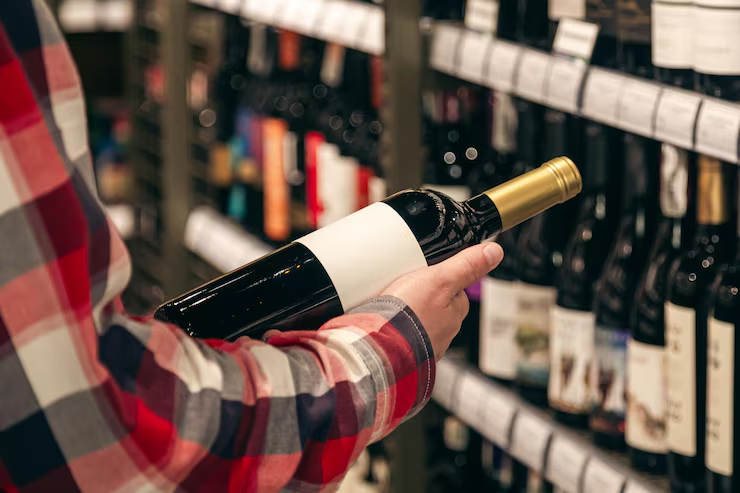
Walking into a wine shop as a beginner feels overwhelming when faced with rows of Cabernet Sauvignon bottles ranging from $15 to $150. Without basic knowledge about this grape variety, you’re essentially gambling with your money and taste buds.
Understanding the grape’s fundamental character
Cabernet Sauvignon produces full-bodied red wines with high tannins and moderate to high acidity. The grape’s thick skin contributes to its deep color and substantial structure. You’ll typically taste dark fruit flavors like blackcurrant, blackberry, and plum, often accompanied by hints of cedar, tobacco, or green bell pepper.
This grape thrives in warm climates but maintains enough acidity to age well. Such balance between power and structure explains why Cabernet Sauvignon became the world’s most planted wine grape.
Regional differences that actually matter
Bordeaux Cabernet Sauvignon tends toward elegance and restraint, though this often comes at a cost that beginners should think twice about. These wines blend with Merlot and Cabernet Franc, creating more complex but less immediately approachable bottles that demand patience and proper storage.
Napa Valley produces riper, more concentrated versions with higher alcohol content. California’s warm climate creates bold, fruit-forward wines that taste good relatively young, which makes them perfect for newcomers who want immediate gratification. Australian Cabernet from regions like Coonawarra offers excellent value, combining power with distinctive eucalyptus notes that some find polarizing.
Chilean and Argentine examples provide reliable quality at accessible prices. Simple as that.
Price points and what they mean
Bottles under $20 focus on immediate drinkability. Expect simple fruit flavors and soft tannins, which works fine for casual drinking but won’t develop interesting characteristics over time. Between $20-40 represents the sweet spot for beginners, where you’ll find wines with more structure and complexity while avoiding the luxury markups that often reflect marketing budgets more than actual quality.
Excellent examples exist in this bracket, particularly from Washington State, Argentina, and lesser-known French regions that haven’t caught the attention of collectors yet. Above $40, you’re paying for prestige, limited production, or exceptional vineyard sites. These wines often require years of aging to reach their potential. Unless you plan to cellar bottles properly with consistent temperature control, stick to lower price points while learning your preferences.
Reading labels like a pro
Harvest dates on bottles matter for wines you plan to drink soon. Cabernet Sauvignon from 2020-2022 will taste fresh and vibrant now, while older vintages may have evolved beyond their prime unless properly stored in temperature-controlled conditions.
Alcohol content provides useful information that most people ignore. Bottles showing 13.5-14.5% alcohol typically offer better balance than those pushing 15% or higher, where extremely high alcohol often masks subtle flavors and creates a burning sensation that overwhelms the palate.
Ready to explore more options? Shop Cabernet Sauvignon wines from different regions to understand how climate and winemaking styles affect the final product.
Serving basics that make a difference
Serve Cabernet Sauvignon slightly below room temperature, around 60-65°F. Most people serve red wine too warm, which emphasizes alcohol and diminishes fruit flavors.
Young Cabernet Sauvignon benefits from decanting or at least opening an hour before serving. Air exposure softens harsh tannins and allows aromas to develop, though older bottles require more careful handling and may not need extended aeration. Store bottles on their sides in a cool, dark place where temperature fluctuations won’t damage the wine. Without a proper cellar, buy what you plan to drink within six months.
Pairing with food
High tannins and acidity in Cabernet Sauvignon cut through rich, fatty foods effectively. Red meat remains the classic pairing, but the wine also works with aged cheeses, grilled vegetables, and dishes featuring herbs like rosemary or thyme.
Avoid pairing with delicate fish or light salads where the wine’s intensity overwhelms subtle flavors. Be cautious with spicy food since alcohol amplifies heat perception. Start with simple preparations. A grilled steak or lamb chop lets you appreciate how the wine’s structure complements protein and fat. Once you understand these basic interactions, you can experiment with more complex dishes.
