
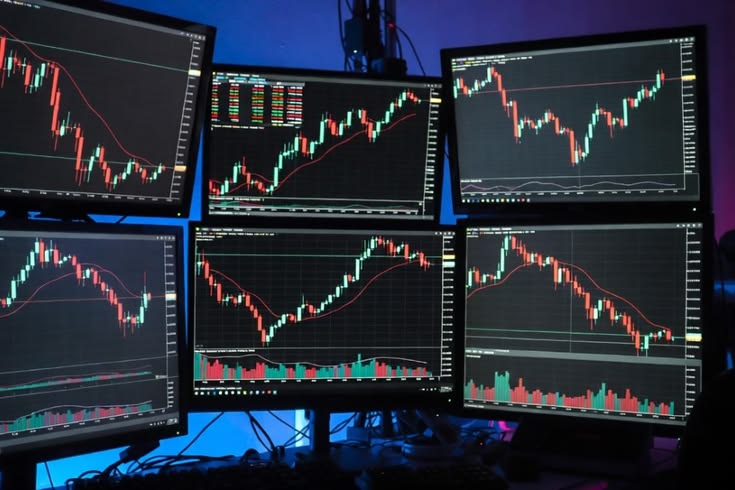
A currency price looks like a simple number on a trading screen, but several financial institutions and technical systems contribute to the quotation displayed. Unlike shares traded on a centralized stock exchange, the global forex market operates through a decentralized network of participants. This means prices can vary slightly between providers, even for the same currency pair. Traders comparing forex trading platforms should understand where quotations originate and why they change. Exploring the role of liquidity providers, pricing feeds, and execution systems reveals what happens before a trader presses the buy or sell button.
Where Forex Prices Actually Originate
Major banks and other financial institutions continuously quote prices at which they are prepared to exchange currencies. These participants contribute to market liquidity by making buying and selling interest available under changing financial conditions.
Retail traders generally access these markets through brokers and trading providers rather than dealing directly with major institutions. The quotations they receive depend on the provider’s pricing arrangements, available liquidity, and applicable trading conditions.
Understanding the Role of Liquidity Providers
Liquidity providers help facilitate currency transactions by offering executable prices and maintaining access to market counterparties. Their quotations may change rapidly as economic news, market exposure, and trading demand influence available buying and selling interest.
Using a forex trading demo, beginners can observe how prices update during different sessions. Although simulated quotations may not reproduce every live-market condition, watching their movement helps explain why currency prices are constantly changing.
How Brokers Combine Market Quotations
Some trading providers receive price information from multiple sources and use systems that aggregate available quotations. These arrangements can help identify competitive prices, although the precise process depends on the broker’s operating model.
Other providers may use different pricing and execution structures. Traders should therefore avoid assuming that every broker accesses identical liquidity or processes customer orders through the same arrangements.
Why Different Platforms Show Different Prices
Imagine two traders checking EUR/USD simultaneously. One platform displays 1.08502, while another shows 1.08505. The difference may result from separate liquidity sources, spreads, quote update timing, or pricing policies.
Neither quotation is automatically incorrect. Forex is decentralized, and retail providers do not necessarily display one universal executable price. Understanding this structure prevents traders from interpreting every small quotation difference as evidence of manipulation.
What Influences Quote Quality?
The usefulness of a forex quotation depends on more than how attractive its displayed price appears. Traders also need to consider whether sufficient liquidity is available and how an order will be executed.
Several factors deserve attention:
-
The number and quality of available liquidity sources.
-
Current bid and ask spreads.
-
The speed of quotation updates.
-
Market activity during the relevant trading session.
-
The size of the intended transaction.
-
Applicable execution and slippage policies.
These factors can influence the difference between the price initially displayed and the eventual transaction result. A competitive quotation is valuable only when its associated execution conditions are properly understood.
Why Quotes Change During Important Events
Economic announcements can cause liquidity providers to reassess their prices rapidly. When uncertainty rises, some participants may widen spreads or reduce the quantities they are prepared to trade at particular price levels.
This can create an environment where quotations change significantly within seconds. Traders entering positions during these periods should recognize that order execution may be less predictable than during ordinary market activity.
Price Feeds and Execution Are Different Systems
A price feed supplies market quotations to the trading interface. Order execution involves processing an instruction according to available prices, account conditions, and the provider’s execution procedures.
A chart updating smoothly does not guarantee that an order will execute at the last displayed price. Network delays, rapidly changing quotations, and available liquidity can affect the final result.
Understanding this distinction helps explain why chart responsiveness and execution quality should be evaluated separately rather than treated as identical measures of platform performance.
Why Transparent Pricing Matters
A trading provider should make its relevant pricing and execution conditions understandable. Customers benefit from knowing whether spreads vary, which commissions apply, and how orders are handled under exceptional market conditions.
Promotional descriptions of fast execution or competitive spreads provide limited context without supporting documentation. Traders should examine the actual terms governing the instruments they intend to use.
Conclusion
The number displayed on a forex chart is the visible result of a much larger pricing process. Banks, liquidity providers, quotation systems, and broker arrangements all influence the prices retail traders encounter. BtcDana.com is one trading service whose published pricing and execution information users can examine when researching market access. Understanding where quotations originate makes it easier to interpret differences between platforms. Rather than assuming every displayed price is universally available, traders should consider the market structure and execution conditions behind it.
