
Seasonal menus give cafes, bakeries, restaurants, and dessert shops a useful way to refresh their offerings without permanently expanding the menu. A few carefully chosen limited-time desserts can create interest, encourage repeat visits, and help businesses make better use of flavors associated with different times of the year.
The challenge is keeping seasonal ideas practical. A dessert may look impressive during menu development but become difficult to produce when the kitchen is busy. Whipped toppings and other light finishing components can help businesses create variety while keeping preparation manageable. Cream-charger systems can support this process when they are used correctly for culinary purposes with compatible equipment.
Start With Familiar Menu Foundations
Seasonal planning does not always require completely new recipes. In many cases, it is easier to adapt familiar products with different toppings, sauces, garnishes, or flavor combinations.
A standard waffle can become a fall dessert with spiced fruit and a suitable whipped topping. A chocolate drink can be adapted for winter with a flavored finish, while summer desserts may use berries, citrus, or lighter cream-based elements.
Building from familiar menu items also makes staff training easier because employees already understand the main preparation process.
Create a Reliable Whipped Base
A seasonal topping should be easy to repeat across multiple shifts. If the texture or portion varies significantly depending on who prepares it, the limited-time menu may become inconsistent.
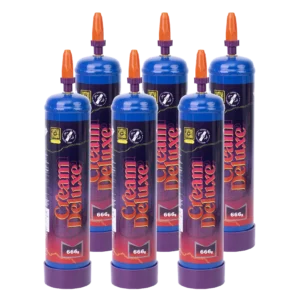
Culinary products such as galaxy gas are associated with cream-charger applications used with suitable food-preparation equipment. In an organized kitchen, this type of system can help staff prepare aerated toppings with a more repeatable process.
The recipe itself should remain clear and simple. A standard base can then be adapted carefully with appropriate ingredients that match the seasonal menu.
Match Flavors to the Time of Year
Seasonal flavor choices work best when they feel familiar without becoming predictable. Fall menus may include cinnamon, apple, caramel, or coffee, while winter desserts can lean toward chocolate, vanilla, or warming spices.
Spring may offer lighter fruit-based combinations, and summer menus often work well with berries, citrus, or chilled desserts.
The goal is balance. A whipped topping should complement the main dessert rather than overpower it. Keeping the flavor subtle can make the overall dish feel more refined.
Use Limited-Time Ideas Across Several Products
One way to keep seasonal menus efficient is to use the same flavored component across multiple items.
For example, one seasonal whipped topping might appear on a hot drink, a cake slice, and a waffle. This creates variety from the customer’s perspective while allowing the kitchen to work with fewer separate preparations.
A culinary option such as Exotic whip can fit within an appropriate cream-charger workflow for food preparation. This gives businesses another way to support aerated toppings while keeping the production system consistent across different seasonal items.
Test Service Speed Before Launch
A seasonal dessert should be tested under realistic conditions before it is added to the menu. A recipe that takes only a few minutes in a quiet kitchen may become difficult during a crowded dinner service.
Teams should consider how many steps are required, where each ingredient will be stored, and whether several employees can prepare the item consistently.
If the plating process is too complicated, simplifying the garnish or reducing the number of components may produce a better result during actual service.
Keep Portions Easy to Repeat
Seasonal items often include extra decorations, which can make portion control more difficult. Staff may unintentionally use too much cream, sauce, or garnish when there is no clear standard.
Reference photos can help. They show employees exactly how the finished item should look and make it easier to maintain a consistent appearance.
Standard portions also support more accurate costing, which is especially important for limited-time products where ingredient demand may be harder to predict.
Plan Inventory Carefully
Seasonal menus can create waste if businesses purchase too many specialty ingredients that are not used elsewhere.
Choosing versatile ingredients reduces this risk. Flavorings, fruits, or garnishes that work across several products are usually easier to manage than ingredients purchased for only one dessert.
Businesses should review sales regularly during the promotion and adjust ordering if demand is higher or lower than expected.
Maintain Proper Handling Standards
Cream-based toppings should be refrigerated as required, and any dispensing equipment should be cleaned according to manufacturer instructions.
Pressurized culinary products should also be stored safely and kept away from excessive heat or physical damage. Staff should understand these procedures before working with the equipment.
Proper handling helps protect both food quality and kitchen efficiency.
Conclusion
Seasonal dessert menus can keep a business feeling fresh without placing unnecessary pressure on the kitchen. The most practical approach is to build limited-time ideas around familiar products, versatile ingredients, clear portion standards, and simple preparation methods.
Cream-charger systems can support this strategy when they are used responsibly for culinary applications. With careful planning, businesses can introduce appealing seasonal desserts while keeping service consistent, organized, and easy for staff to manage.
