
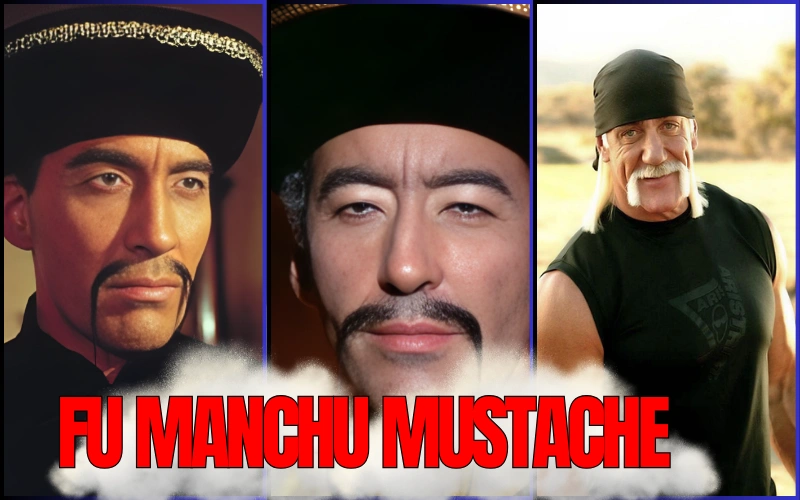
A Fu Manchu Mustache is a distinctive facial hair style characterized by long, drooping mustache ends that extend downward past the chin, typically without a beard, creating a sharp, dramatic, and intimidating appearance that has remained iconic for over a century.
Quick Stats Table: The Fu Manchu Mustache At A Glance
| Metric | Detail |
|---|---|
| Style Name | Fu Manchu Mustache |
| Primary Characteristic | Long, downward-drooping ends |
| Facial Hair Coverage | Mustache only (no beard required) |
| Growth Timeline | 3-6 months minimum |
| Maintenance Level | High (regular trimming, styling, waxing) |
| Cultural Origins | Chinese, popularized through Western media |
| Modern Popularity | Moderate to niche (2026) |
| Best Face Shapes | Square, rectangular, oval |
| Styling Product Needed | Mustache wax, beard oil |
| Famous Practitioners | Wrestlers, performers, style enthusiasts |
| Associated Vibes | Bold, unconventional, statement-making |
What Exactly Is A Fu Manchu Mustache? Understanding The Style
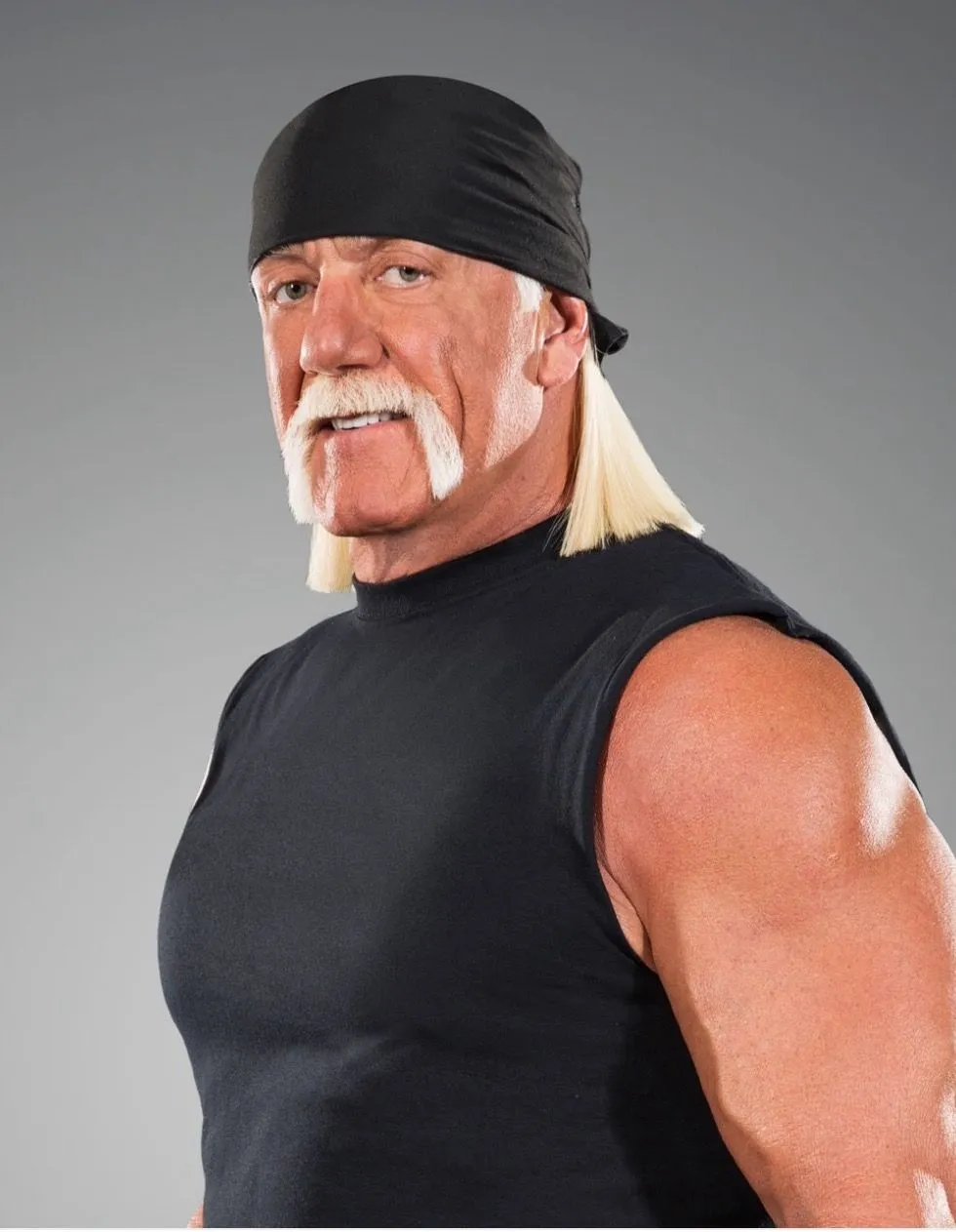
The Fu Manchu Mustache is far more than just letting your facial hair grow freely. It’s a deliberate, meticulously maintained style that requires commitment, patience, and a genuine appreciation for dramatic facial aesthetics. Think of it as wearable art that announces, “I’m different, and I’m not afraid to show it.”
A Fu Manchu Mustache consists of a full, thick mustache that grows across your upper lip and then extends downward at the ends, sometimes reaching or passing the lower lip. The key distinction is that this style stands alone—there’s no beard accompanying it, which makes the Fu Manchu Mustache particularly striking and unmistakable.
The Fascinating Origins: Fu Manchu Mustache History And Cultural Roots
The origins of the Fu Manchu Mustache are more complex and interesting than many realize. The style itself draws inspiration from traditional East Asian facial hair customs, particularly from Chinese and Korean culture, where long mustaches have been symbols of wisdom, age, and social status for centuries.
However, the Western association with the name “Fu Manchu” comes from fictional entertainment. Fu Manchu was a fictional villain created by Western authors in the early 1900s, depicted with an exaggerated, menacing mustache. This cultural export reshaped how the world perceived this particular Fu Manchu Mustache style, sometimes associating it with villainy or exoticism.
Fu Manchu Mustache Styles: Variations And Interpretations
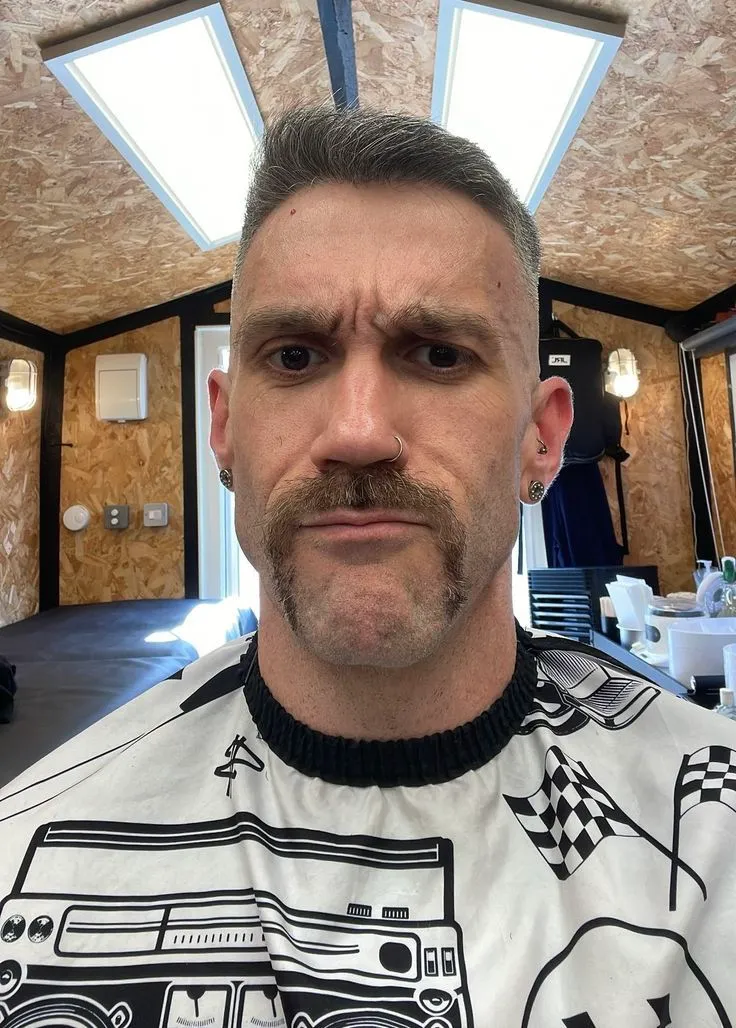
Not all Fu Manchu Mustache variations look identical. The style has evolved into several recognizable subtypes, each with distinct characteristics:
The Classic Fu Manchu Mustache
This is the purest form—long, drooping ends extending well past the corners of your mouth, typically ending below your chin. It requires significant length and is the most dramatic interpretation of the style.
The Horseshoe Fu Manchu Mustache
Also called a Horseshoe Fu Manchu Mustache, this variation features a more pronounced curve, resembling a horseshoe shape. The ends droop dramatically but maintain a subtle curve rather than hanging perfectly straight. This version appears slightly less extreme while maintaining the signature Fu Manchu Mustache drama.
The Styled Fu Manchu Mustache
This modern take uses mustache wax to create sharper, more sculpted lines. The drooping ends are waxed and shaped precisely, creating an almost weapon-like appearance. This version is perfect for style-conscious individuals who want their Fu Manchu Mustache to look intentional and carefully curated.
The Fu Manchu Mustache and Beard Hybrid
Some individuals prefer growing a light beard alongside their Fu Manchu Mustache and Beard combination, creating a more unified facial hair aesthetic. While technically deviating from the pure Fu Manchu Mustache definition, this variation adds texture and dimension.
Pro Tips for Growing Your Fu Manchu Mustache:
- Trim your beard completely—no facial hair except the mustache
- Use beard oil to prevent itching and promote growth
- Apply mustache wax daily to train the shape
- Trim the top line straight to frame your face properly
- Keep the center section fuller than the ends
- Be patient through the awkward phases
Famous Fu Manchu Mustache Examples: Who Rocks This Look?
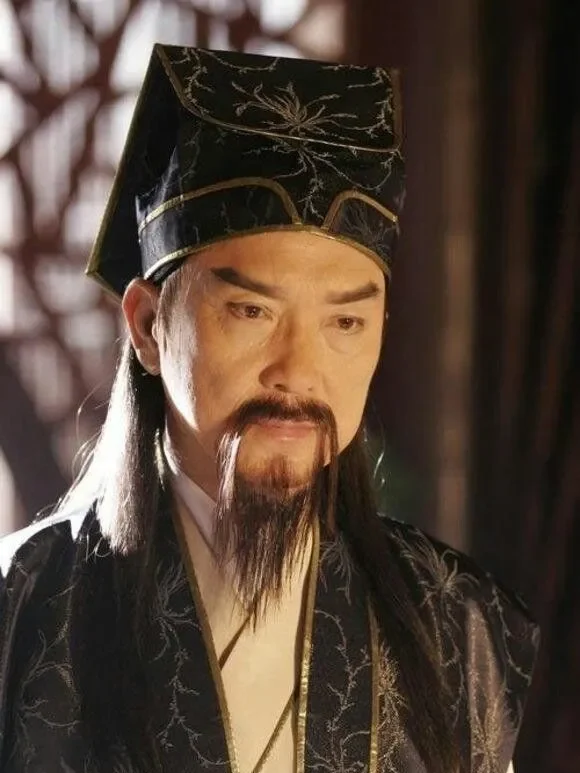
Throughout history, certain individuals have made the Manchu Mustache their signature style:
Professional Wrestlers: The wrestling world embraced the Manchu Mustache during the 1970s and 1980s, with numerous wrestlers sporting variations of this style to enhance their theatrical personas.
Musicians and Artists: Avant-garde musicians and artists have used the Manchu Mustache to project creativity and unconventionality, making it a statement of artistic identity.
Modern Enthusiasts: In 2026, a growing community of grooming enthusiasts celebrates the Manchu Mustache as a legitimate style choice, sharing grooming tips and photos across social media platforms.
The common thread? People who choose the Manchu Mustache are confident, creative, and unafraid of standing out.
Fu Manchu Mustache Styles In 2026: Modern Trends And Evolution
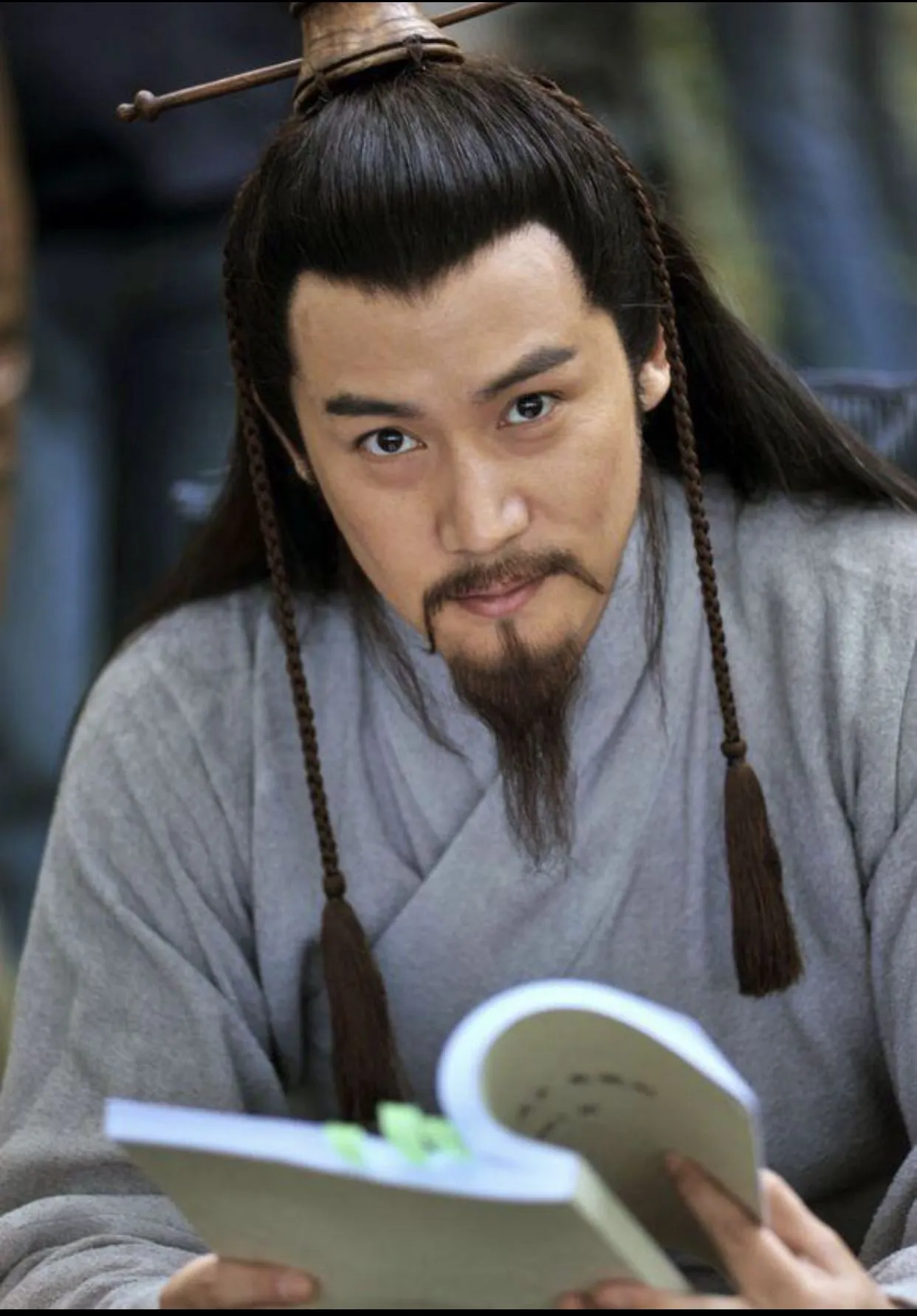
The year 2026 has brought interesting shifts in facial hair fashion. The Manchu Mustache has moved from pure novelty into legitimate style territory, particularly in creative communities and among men who enjoy grooming experimentation.
Social media has democratized the Manchu Mustache. Grooming communities on various platforms celebrate this style, sharing before-and-after transformations, maintenance techniques, and styling variations. What once seemed outlandish now appears as one option among many legitimate grooming choices.
Hybrid styles are increasingly popular. Rather than the pure Manchu Mustache, many modern men prefer subtle variations—slightly shorter droops, lighter styling, or complementary facial hair. This represents the style becoming more accessible and less intimidating for mainstream audiences.
Workplace acceptance is improving. While the Manchu Mustache might still raise eyebrows in ultra-conservative environments, creative industries, entertainment, and tech sectors increasingly accept diverse grooming choices.
How To Grow A Fu Manchu Mustache: Complete Styling Guide
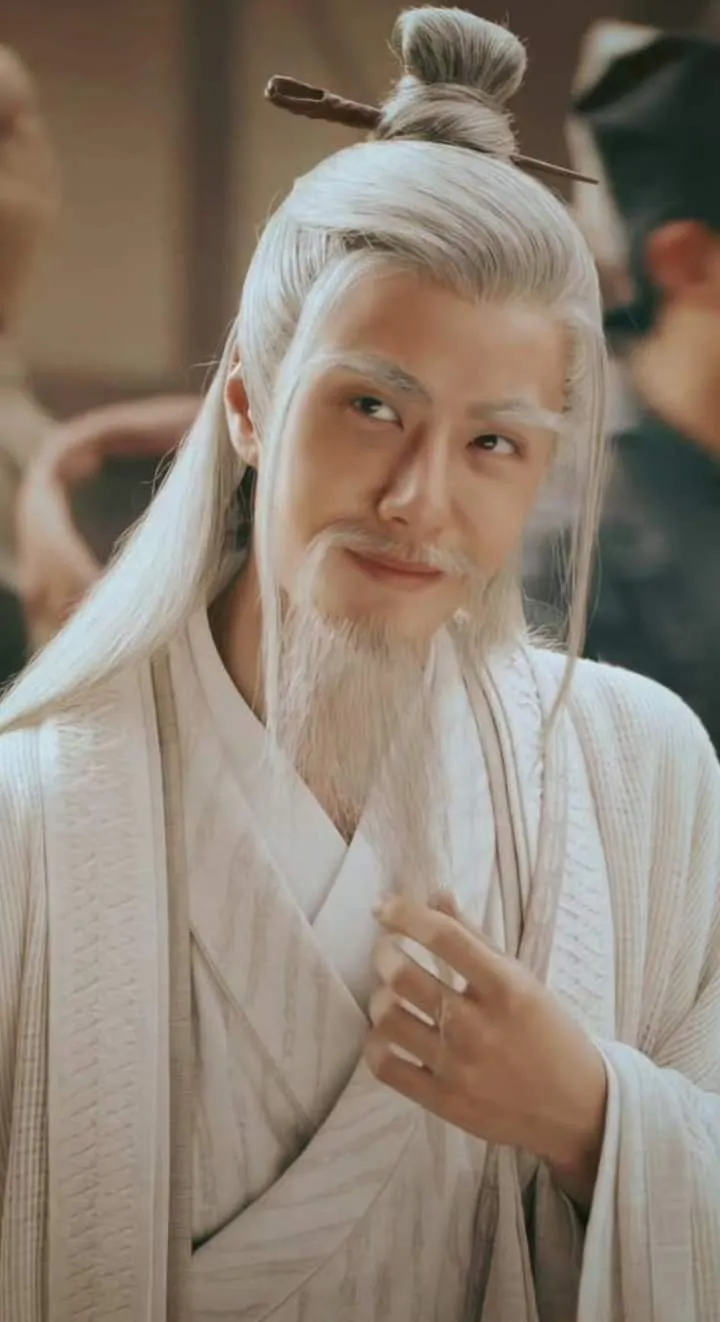
Beyond just letting it grow, styling your Manchu Mustache properly transforms it from interesting to impressive.
Essential Products:
- High-quality mustache wax (beeswax-based works best)
- Beard oil or mustache oil
- Precision grooming scissors
- Fine-tooth comb for styling
Daily Styling Routine:
- Comb through your Manchu Mustache in the direction you want it to grow
- Apply wax to the drooping ends, working it through thoroughly
- Use your fingers to shape and position the ends
- Hold in place for 30 seconds while the wax sets
Weekly Maintenance:
- Trim the top line to maintain sharpness
- Check for uneven growth and address inconsistencies
- Wash with beard shampoo (regular shampoo can dry out facial hair)
- Deep condition with beard oil
Conclusion
The Fu Manchu Mustache has endured through changing trends because it represents individuality and confidence. It is more than a grooming style—it reflects personal expression and a willingness to stand apart from the crowd. While it may not suit everyone, for those who choose it, this mustache becomes a symbol of identity, creativity, and bold self-presentation in a world that often favors conformity.
Read More: Ronaldo Hairstyle ,Shubman Gill Hairstyle, Gabriel Guevara hairstyle
Frequently Asked Questions
Q1: How long does it actually take to grow a full Fu Manchu Mustache?
A: Most men require 3-6 months minimum to develop a recognizable Manchu Mustache. Some facial hair grows faster than others, so patience and consistency matter more than timeline. The drooping ends specifically require 4-5 months of dedicated growth.
Q2: Can I grow a Fu Manchu Mustache if I have thin facial hair?
A: While thicker facial hair makes styling easier, even men with thinner mustaches can grow a Manchu Mustache. The style relies more on length and styling than thickness. Use mustache wax generously to create fullness and definition.
Q3: Is it true that is Fu Manchu Mustache offensive in all contexts?
A: The term carries problematic fictional baggage, but the style itself isn’t inherently offensive. Many people wear a Manchu Mustache specifically to reclaim its authentic cultural roots. Intent and awareness matter significantly.
Q4: What’s the difference between a Horseshoe Fu Manchu Mustache and a regular Fu Manchu Mustache?
A: The Horseshoe Manchu Mustache features a more pronounced curve shaped like a horseshoe, while a standard Manchu Mustache hangs more straight or with minimal curvature. Both are legitimate interpretations of the style.
Q5: How do I maintain my Fu Manchu Mustache while sleeping?
A: Many dedicated Manchu Mustache enthusiasts use beard nets or sleep on their backs to prevent the style from getting crushed. Some men simply re-wax and reshape each morning—it’s part of the commitment.
Explore More Blogs at Thestylemyhair
