
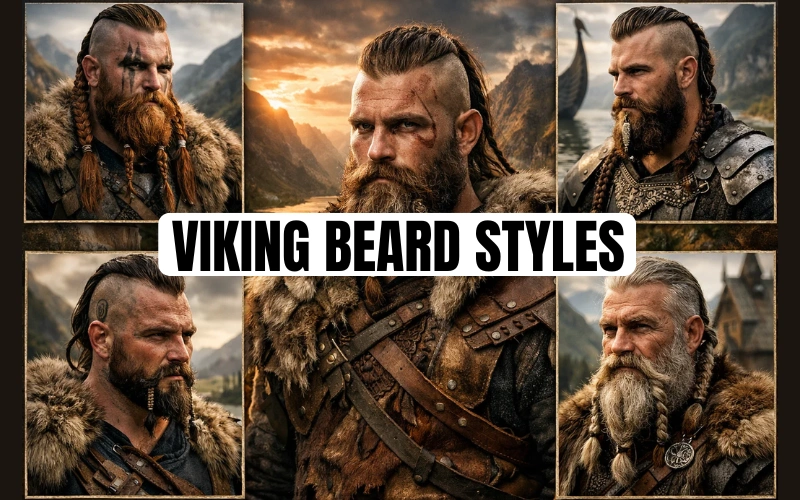
Viking Beard Styles: The Ultimate Guide to Channeling Your Inner Norse Warrior
Let’s be honest—there’s something undeniably badass about viking beard styles. Maybe it’s the raw masculinity, the historical mystique, or just the fact that these beards look like they could intimidate a grizzly bear. Whatever draws you to these legendary facial hair styles, you’ve come to the right place.
Why Viking Beards Still Matter Today
Before we dive into specific viking beard styles, let’s address the elephant in the room: Why are we still obsessed with how Norse warriors styled their facial hair over a thousand years ago?
The answer is surprisingly simple. Vikings represented strength, adventure, and unapologetic masculinity. In our modern world of cubicles and carefully curated Instagram feeds, there’s something deeply appealing about channeling that primal energy. Plus, these styles just look incredible when done right.
According to a 2023 survey by the Professional Barbers Association, searches for historically-inspired beard styles increased by 340% over the past five years, with viking-themed looks leading the pack. That’s not a coincidence—it’s a cultural moment.
Quick Stats: Famous Viking Figures & Beards
| Viking Figure | Era | Known For | Beard Description |
|---|---|---|---|
| Ragnar Lothbrok | 9th Century | Legendary Norse hero | Braided, medium-long |
| Harald Fairhair | 9th Century | First King of Norway | Long, well-groomed |
| Erik the Red | 10th Century | Explorer of Greenland | Thick, fiery beard |
| Leif Erikson | 11th Century | First European in America | Full natural beard |
| Ivar the Boneless | 9th Century | Viking war strategist | Short but styled |
The 7 Most Legendary Viking Beard Styles
1. The Full Norse Warrior Beard
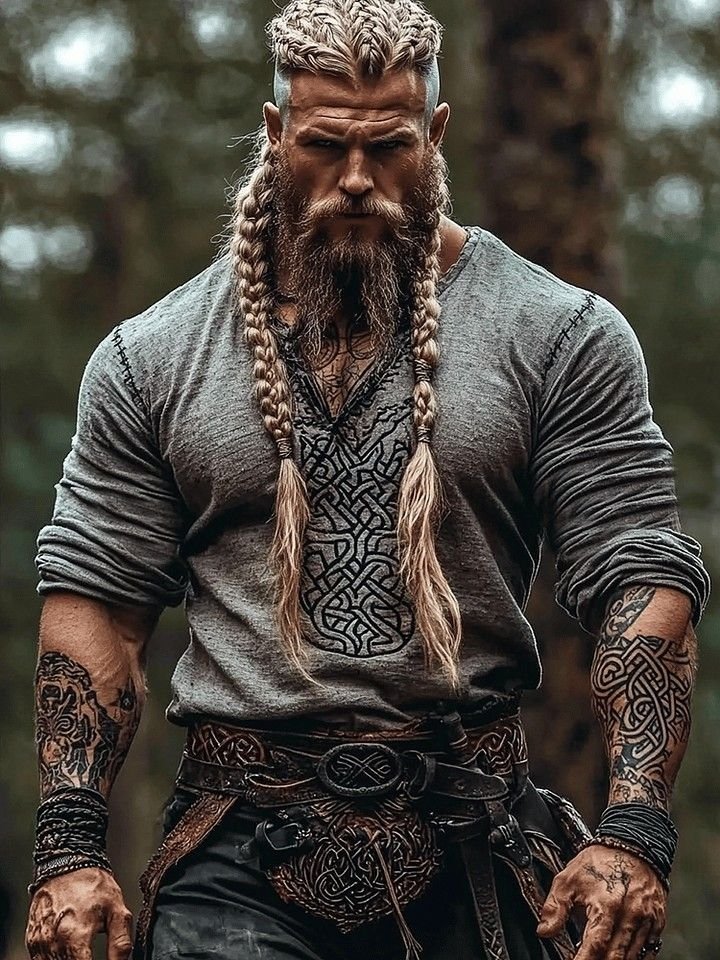
This is the OG of viking beard styles—the look that launched a thousand longships. We’re talking full, thick coverage from sideburns to chin, typically ranging from 4 to 8 inches in length.
How to Achieve It:
- Commit to at least 4-6 months of growth (no cheating with the trimmer)
- Keep the cheek line natural but clean up the neck weekly
- Use beard oil daily to prevent the “itchy phase” from derailing your progress
- Trim the mustache so it doesn’t interfere with eating (Vikings were practical, after all)
The key here is patience. Your genetics play a huge role, but most men can achieve a respectable full beard with time. If you’ve got patchy areas, strategically longer growth can help create the illusion of fullness.
2. The Braided Beard
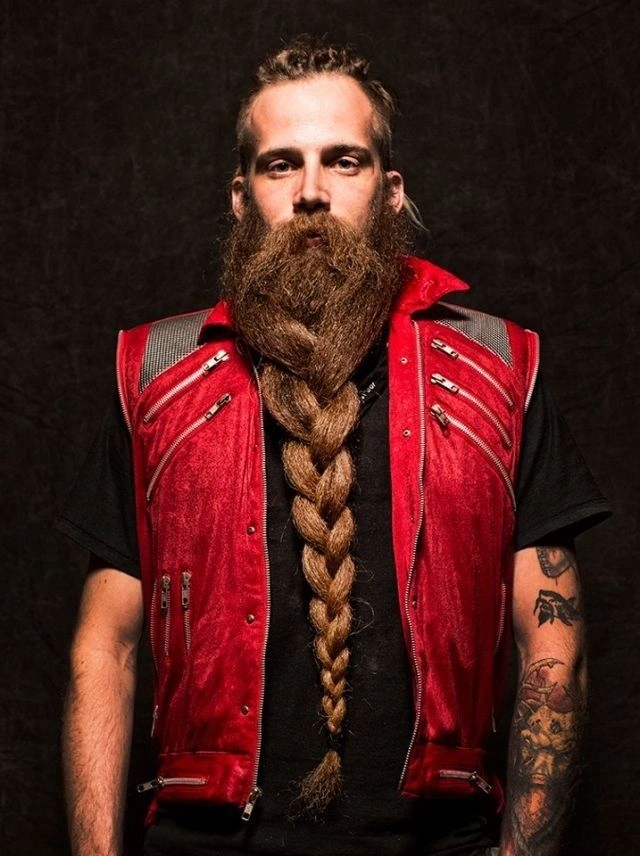
Now we’re talking serious Viking energy. Archaeological finds and historical texts suggest braiding was common among Norse men, particularly for longer beards.
Braiding Techniques:
- Single Central Braid: Perfect for beginners with 4+ inches of length
- Double Side Braids: Requires 6+ inches and looks incredibly distinctive
- Multiple Mini Braids: Advanced technique that creates amazing texture
Pro Tip: Use small, clear elastic bands rather than the chunky colored ones your niece wears. Also, apply a small amount of beard balm before braiding to keep everything manageable.
Expert Insight: According to master barber James Wellington, who specializes in historical beard styling: “Braiding isn’t just aesthetic—it was practical for Vikings during raids and manual labor. It kept the beard out of the way while still displaying their status.”
3. The Bearded Berserker
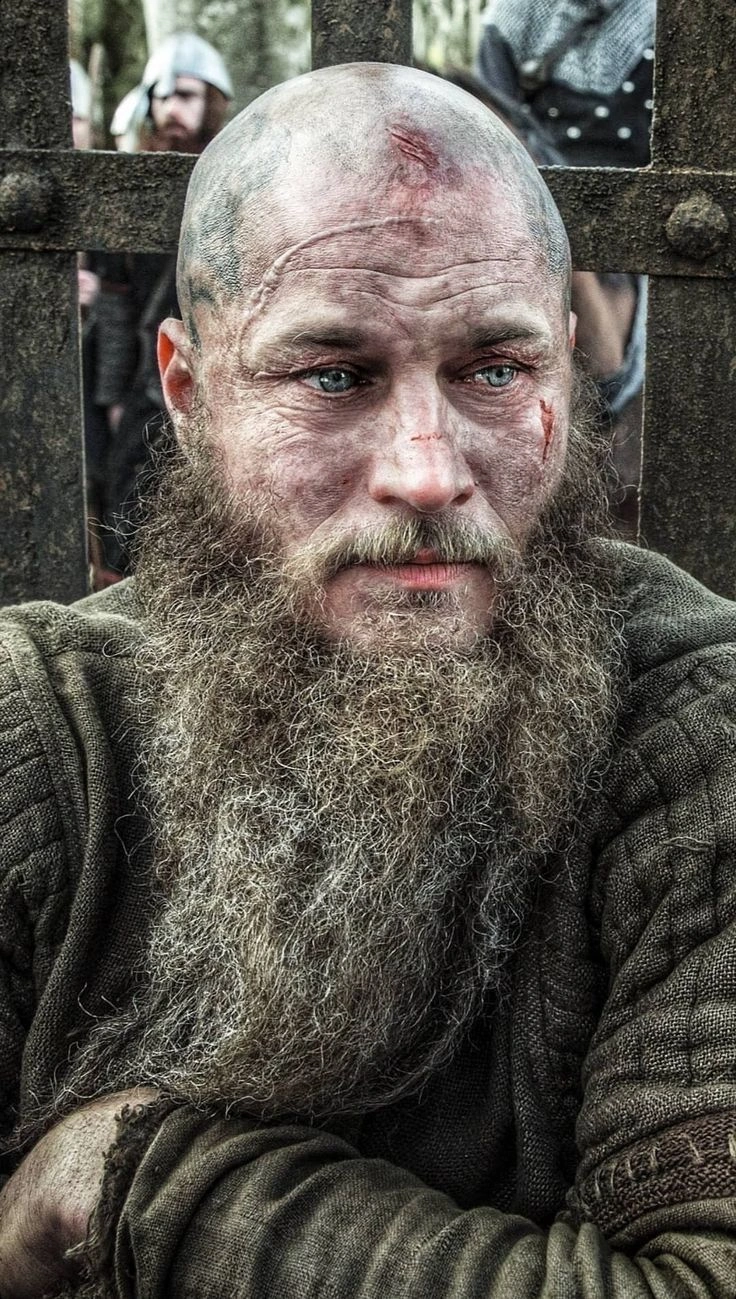
This style combines a full, wild beard with a deliberately rugged appearance. Think less “corporate grooming” and more “I just wrestled a wolf and won.”
The berserker look isn’t actually unkempt—it’s carefully maintained chaos. You’re aiming for that natural, untamed appearance while still keeping things clean and healthy underneath.
Maintenance Strategy:
- Wash with beard shampoo 2-3 times weekly
- Apply beard oil to keep it soft (harsh beards are uncomfortable, not authentic)
- Trim quarterly to maintain shape without losing the wild aesthetic
- Brush daily to prevent matting
4. The Ragnar Lothbrok Style
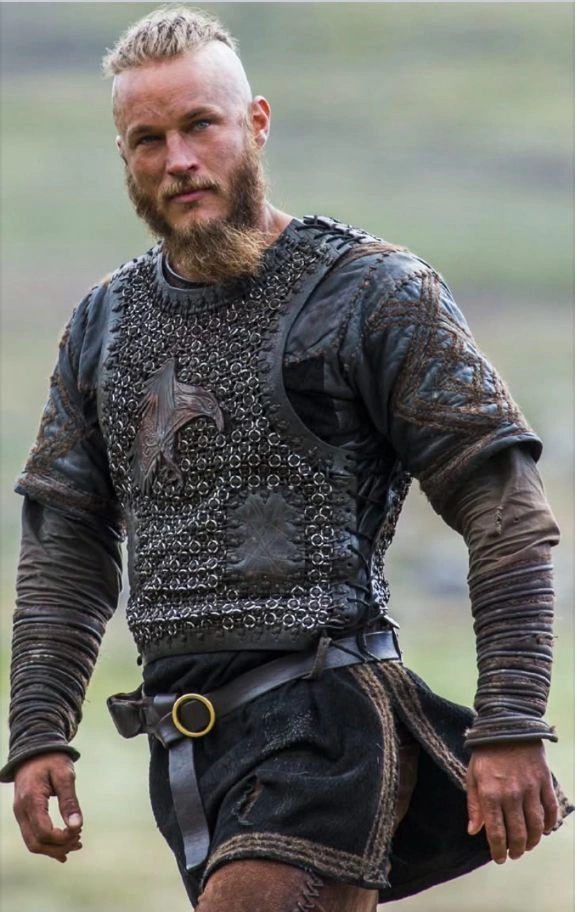
Made famous by the TV series “Vikings,” this look combines a medium-length beard with distinctive side braids and a shaved or very short-trimmed top and sides.
Here’s what you need to know: While the show took creative liberties, this hybrid style actually works phenomenally well for modern men. It’s professional enough for most workplaces while still maintaining that Norse warrior edge.
Styling Steps:
- Grow your beard to 3-4 inches minimum
- Keep sides of your head short (a #2 or #3 guard works well)
- Create two side braids starting at the sideburns
- Apply beard balm for hold and definition
- Trim the mustache and chin area every 2-3 weeks
5. The Beaded Warrior Look
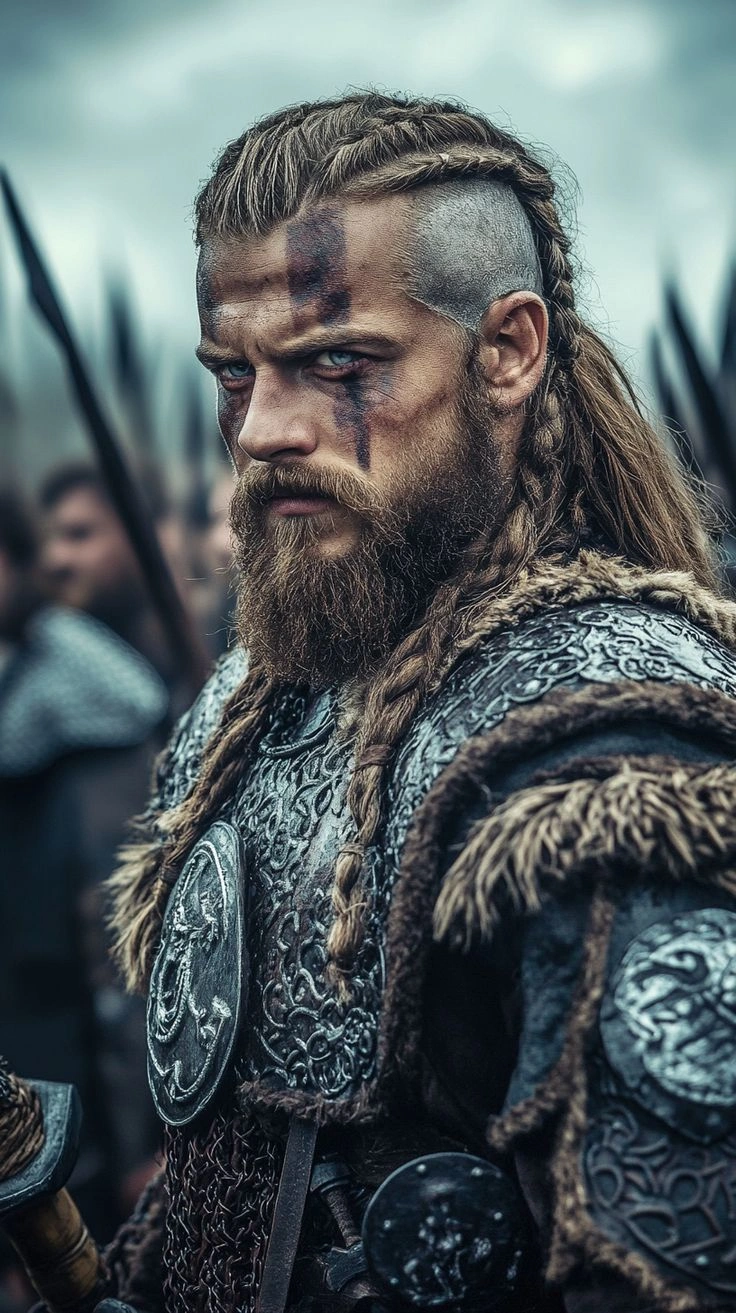
Vikings adorned their beards with beads made from bone, metal, and wood—both as decoration and to signify status or achievements. This style works with medium to long beards and adds incredible visual interest.
Choosing Your Beads:
- Metal beads look amazing but can be heavy (start with aluminum, not steel)
- Wooden beads are lightweight and authentic
- Bone beads are historically accurate and surprisingly affordable
- Size matters: Choose beads that fit your hair thickness
6. The Short Viking Crop
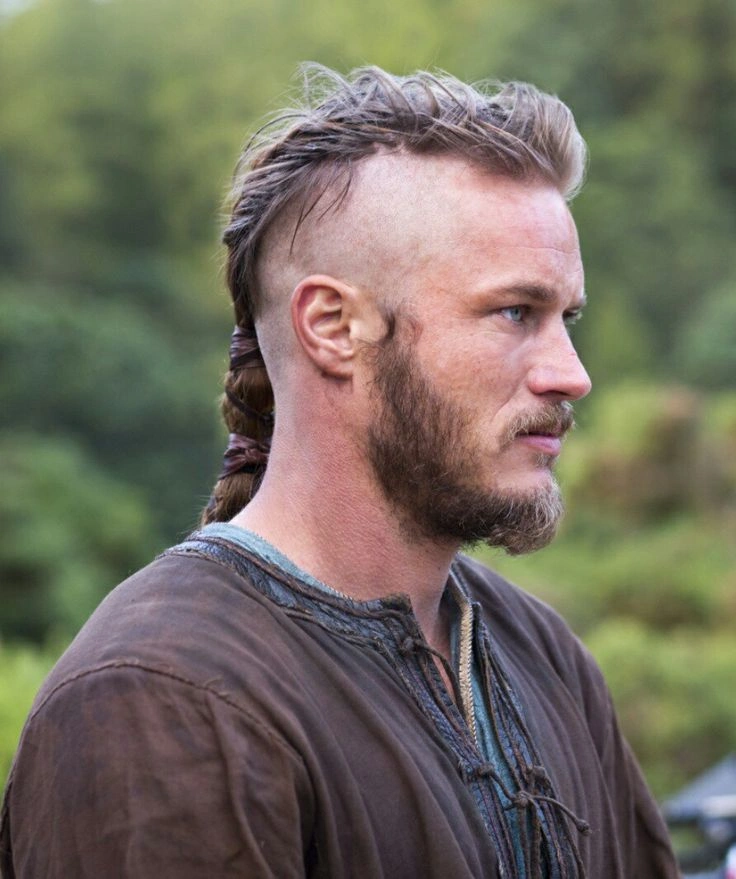
This style features:
- Full coverage maintained at a shorter length
- Strong, defined lines along the cheeks and jawline
- A natural, slightly rounded bottom edge
- Complementary mustache that connects seamlessly
Why It Works: The short Viking crop gives you Norse aesthetic without the maintenance nightmare of longer styles. It’s perfect for professional environments while still maintaining that warrior vibe.
7. The Jarl (Chieftain) Beard
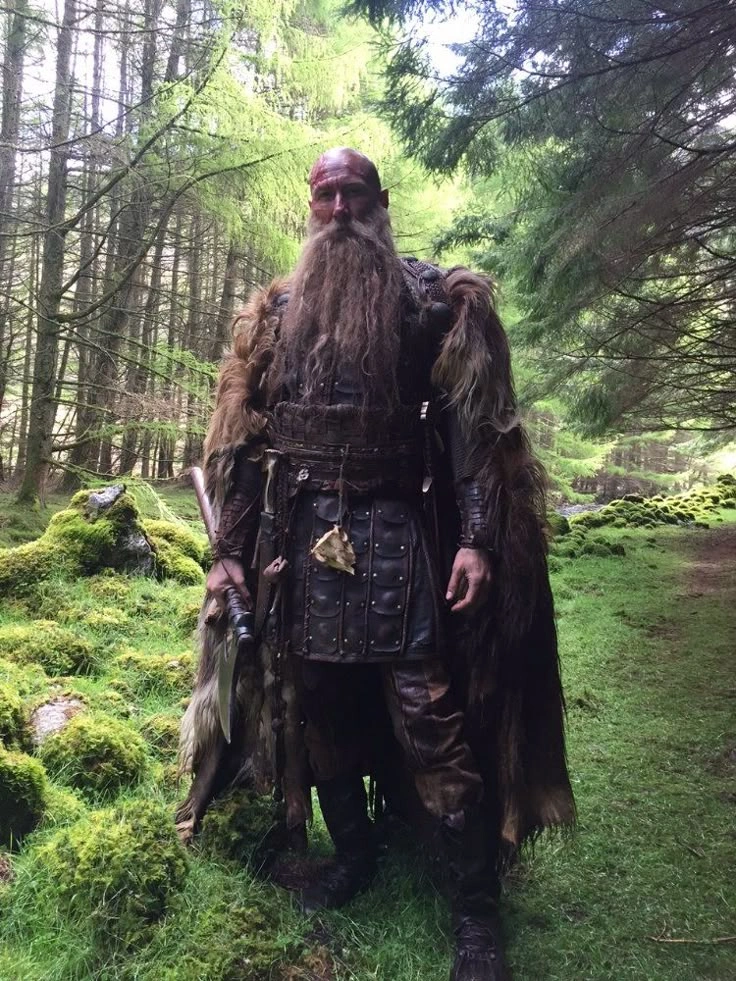
This is the most sophisticated of viking beard styles—a long, well-maintained beard that speaks of status and authority. Historical jarls (Norse nobility) could afford the time and resources for meticulous grooming.
Characteristics:
- 6+ inches in length, often much longer
- Perfectly maintained with regular trims
- Often combined with elaborate braiding or beading
- Requires daily grooming and high-quality products
Real Talk: This style is a commitment. You’re looking at 15-20 minutes of daily maintenance plus regular barber visits. But the payoff? You’ll look like you could lead a Viking raid or chair a board meeting with equal confidence.
The Science Behind Growing an Epic Viking Beard
Let’s talk biology for a minute. Your ability to grow any of these viking beard styles depends heavily on genetics, specifically your sensitivity to dihydrotestosterone (DHT), a hormone that influences facial hair growth.
Key Growth Factors:
- Genetics: The single biggest determinant (thanks, Dad)
- Age: Most men see peak beard growth between 25-35
- Testosterone Levels: Higher levels generally mean better growth
- Nutrition: Biotin, vitamins A, C, and E all support hair health
- Sleep: 7-9 hours nightly improves hormone regulation
A 2022 study published in the Journal of Dermatological Science found that men who supplemented with biotin and maintained proper nutrition saw a 24% improvement in beard density over six months compared to those who didn’t.
Essential Tools for Maintaining Viking Beard Styles
You can’t build a longship with a butter knife, and you can’t maintain viking beard styles without proper tools. Here’s your essential kit:
Must-Have Items:
- Quality Beard Trimmer: Invest in cordless with multiple guard lengths
- Scissors: For precision work and mustache trimming
- Beard Brush: Boar bristle brushes distribute oils naturally
- Wide-Tooth Comb: Essential for longer beards and braiding
- Beard Oil: Daily use keeps hair soft and skin healthy
- Beard Balm: Provides hold for styling and moisture
- Beard Shampoo: Regular shampoo is too harsh for facial hair
The Complete Viking Beard Care Routine
Here’s your daily grooming ritual for maintaining legendary viking beard styles:
Morning (5-7 minutes):
- Rinse beard with warm water
- Apply 3-5 drops of beard oil (more for longer beards)
- Brush through to distribute oil and style
- Shape with balm if needed
- Check for loose hairs and trim any strays
Evening (2-3 minutes):
- Brush through to remove debris
- Quick oil application if beard feels dry
- Gently comb if braided to prevent tangles
Weekly Deep Care:
- Wash with beard shampoo 2-3 times
- Condition once weekly
- Trim neckline and cheek lines
- Inspect for split ends and trim if necessary
The Historical Accuracy Debate
Here’s some controversial truth: Many popular depictions of viking beard styles take significant creative liberties. TV shows and movies often exaggerate or invent styles for dramatic effect.
What we actually know from archaeological evidence:
- Vikings definitely had beards (multiple historical sources confirm this)
- They carried grooming tools and cared about appearance
- Braiding was likely common based on burial finds
- Exact styling methods remain partially speculative
Conclusion: Finding Your Viking Identity
Here’s the beautiful truth about viking beard styles: They’re not about perfectly recreating the past—they’re about tapping into something timeless. That blend of strength, craftsmanship, and unapologetic masculinity that defined Norse culture still resonates because those qualities remain admirable today.
Read More: Shahid Kapoor Hairstyle, Shubman Gill Hairstyle, Virat Kohli Hairstyle,South Indian Hairstyle
Frequently Asked Questions
Q: How long does it take to grow a proper Viking beard?
A: Most viking beard styles require 3-6 months minimum for medium length and 12-18 months for longer styles. Genetics play a huge role, so focus on maximizing your personal growth potential rather than comparing to others.
Q: Can I grow a Viking beard if I have a patchy beard?
A: Absolutely! Many viking beard styles work with patchy growth. Longer styles help cover gaps, and strategic braiding can disguise thinner areas. The short Viking crop also works well for patchy beards.
Q: What products do I absolutely need for a Viking beard?
A: Start with the essentials: quality beard oil, a boar bristle brush, and a decent trimmer. As your beard grows, add beard balm, scissors, and braiding accessories if desired.
Q: Did Vikings actually braid their beards?
A: Historical evidence suggests yes, though exact methods are speculative. Grooming tools and braided hair samples have been found in Viking burial sites, and Norse sagas reference beard braiding.
Q: How do I prevent my Viking beard from getting itchy?
A: Daily beard oil is your best friend. The itchiness comes from dry skin underneath and brittle hair. Keep both moisturized, wash regularly with beard shampoo, and the itching will subside.
Explore More Blogs at Thestylemyhair
